Desktop critical issues memo and constraints map (free)
- Site and project
- Wetlands and waters
- Flood zones
- Listed species and critical habitat
- Protected and conservation lands
- Historic places
Small solar and storage developers screening sites
Free desktop critical issues analysis for a solar or storage site: wetlands, flood zones, species, protected lands and historic places in one memo.
ePlan fills in
How it works
What you get
The check is free. The paperwork after it is drafted at the NEPA environmental assessment door.
From public data
is how long formal Endangered Species Act consultation runs once started, unless extended
Source: 50 CFR 402.14(e), eCFR
Draft a NEPA environmental assessment and FONSI, or an EIS outline, that follows a reference document. Free to read; every unconfirmed fact is marked.
Questions
IPaC is the Fish and Wildlife Service's project planning tool. It gives project proponents information to help determine whether a project will affect federally listed species or designated critical habitat.
When a federal agency's action may affect listed species or critical habitat, formal consultation is required unless FWS agrees in writing that the action is not likely to adversely affect them. Formal consultation concludes within 90 days unless extended.
It can, says DOE, but all electrical equipment must sit above the projected flood level, which can raise installation and insurance costs. Sites that don't flood are usually a better fit.
Related doors
What are you proposing, and where?
Which agency needs the DBE program?
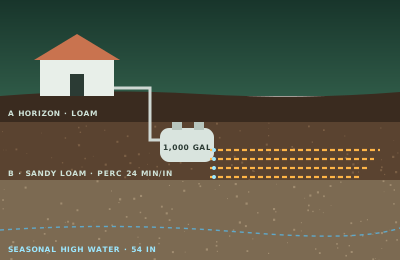
Which state and site is the well in?
What area does the project serve?
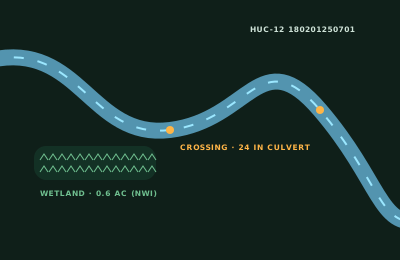
Where is the mitigation project?

Which Forest Service CE fits your project?
Answer it and ePlan opens the NEPA environmental assessment door, which drafts the paperwork.