Water utilities serving more than 3,300 people

What is your water system's name or ID?

Update your water system's AWIA risk and resilience assessment and emergency response plan for this five-year cycle. Free to read, pay to download.

  • Free to read
  • No sign-up until the draft
  • Every fact cites its source
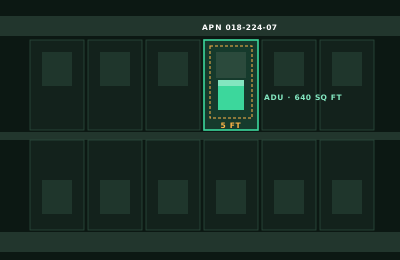
WETLAND · 0.6 AC (NWI) CROSSING · 24 IN CULVERT HUC-12 180201250701

ePlan fills in

  • Population served
  • Water sources
  • Flood zone
  • Natural hazard risk

How it works

Emergency response plan, from one answer

  1. Pick your population band and name your system.One answer starts the project. ePlan names it and looks up the place.
  2. ePlan pulls your sources and hazards and carries your last plan forward.3 more questions, each with a "not sure yet" way out.
  3. Read the plan free, then download it to certify to EPA.The draft marks what to check (amber), what to pick (blue) and what to fill in (violet).

What you get

Emergency response plan and 2 more documents

The first draft is free to read. Each document after it is drafted from the same confirmed facts.

The first draft

Emergency response plan (Safe Drinking Water Act section 1433)

  1. Strategies to improve resilience, physical security and cybersecurity
  2. Response procedures and equipment for malevolent acts and natural hazards
  3. Actions to lessen impacts: alternate sources, intake moves, flood barriers
  4. Detecting malevolent acts and natural hazards
  5. Contacts and notifications
  6. Certification to EPA

Modeled on: 42 U.S.C. 300i-2(b)
Next · 2

Risk and resilience assessment update

  1. Malevolent acts and natural hazards
  2. Pipes, source water, treatment, storage and distribution
  3. Electronic and automated systems
  4. Monitoring practices
  5. Financial infrastructure
  6. Chemical handling
Next · 3

Emergency operations plan

  1. Roles and chain of command
  2. Notification lists
  3. Alternate water supply

From public data

What ePlan fills in, and from where

Dec. 31, 2026

is EPA's emergency response plan date for systems serving 3,301 to 49,999 people that certified their assessment on June 30, 2026
Source: EPA, AWIA Section 2013 certification deadlines

Questions

Emergency response plan: what people ask

Which water systems must do this?

Every community water system serving more than 3,300 people must assess its risk and resilience, prepare or revise an emergency response plan, and certify both to EPA.

Source: law.cornell.edu

When are this cycle's certifications due?

Assessments: March 31, 2025 for 100,000 or more people; December 31, 2025 for 50,000 to 99,999; June 30, 2026 for 3,301 to 49,999. Emergency response plans are due six months after you certify the assessment.

Source: epa.gov

What goes in the emergency response plan?

Strategies to improve resilience, physical security and cybersecurity; procedures and equipment for a malevolent act or natural hazard; actions that lessen the impact, such as alternate sources or flood barriers; and ways to detect threats.

Source: law.cornell.edu

The rules this door follows