Central Valley growers in a water quality coalition

Where are your irrigated fields?

Free checklist for Central Valley Irrigated Lands Program duties: the Farm Evaluation, nitrogen reports, and a sediment and erosion control plan.

  • Free to read
  • No sign-up until the draft
  • Hands off to the right door
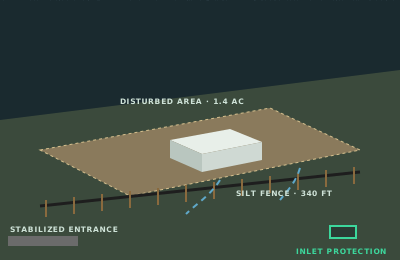
STABILIZED ENTRANCE SILT FENCE · 340 FTINLET PROTECTION DISTURBED AREA · 1.4 AC

ePlan fills in

  • Parcels and fields
  • Crops
  • Soils and erosion risk
  • Slope
  • Nearby streams

How it works

ILRP Farm Evaluation and erosion plan checklist, from one answer

  1. Enter your fields and how you're covered.
  2. ePlan maps soils, slope and nearby streams and lists your program duties.
  3. Read the checklist free; an expert certifies any erosion plan. Grading or leveling ground? Start a grading and dust control plan.

What you get

ILRP Farm Evaluation and erosion plan checklist and 1 more document

The check is free. The paperwork after it is drafted at the Grading and erosion control plan door.

The first draft

ILRP Farm Evaluation and erosion plan checklist (free)

  1. Farm, parcels and coalition
  2. Irrigation and drainage
  3. Sediment and erosion practices
  4. Nitrogen management practices
  5. Wellhead protection
  6. Who certifies the erosion plan

Modeled on: Central Valley Water Board Irrigated Lands Regulatory Program (ILRP) requirements
Next · 2

Grading and dust control plan

  1. Site and grading area
  2. Erosion and sediment controls
  3. Dust control measures
  4. Inspections and records

From public data

What ePlan fills in, and from where

5 years

is how often Central Valley coalition members must submit a Farm Evaluation, following 2021
Source: Central Valley Water Board, ILRP FAQ

Ready for the paperwork?

Draft the erosion and sediment control plan, grading narrative and dust control plan your city or county wants with the grading permit. Free to read.

Grading and erosion control plan →

Questions

ILRP Farm Evaluation and Erosion Plan: what people ask

What do coalition members have to do?

Pay annual fees, attend outreach each year, submit a Farm Evaluation every 5 years following 2021, prepare an Irrigation and Nitrogen Management Plan worksheet and summary report each year, and monitor on-farm drinking water wells.

Source: waterboards.ca.gov

Who certifies a Sediment and Erosion Control Plan?

Growers with individual coverage must submit a Sediment and Erosion Control Plan certified by an expert, along with other farm plans and reports.

Source: waterboards.ca.gov

Why are farms regulated at all?

The Central Valley Water Board regulates discharges from irrigated lands through waste discharge requirements, with growers covered through coalitions or individually.

Source: waterboards.ca.gov

The rules this door follows