Landowners and developers near listed species

Where is the land you'd develop?

See whether your project needs an incidental take permit and what a habitat conservation plan must contain under the Endangered Species Act. Free.

  • Free to read
  • No sign-up until the draft
  • Hands off to the right door

ePlan fills in

  • Listed species
  • Critical habitat
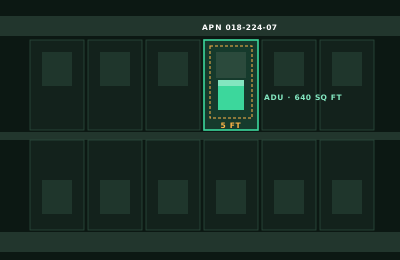
  • Land cover
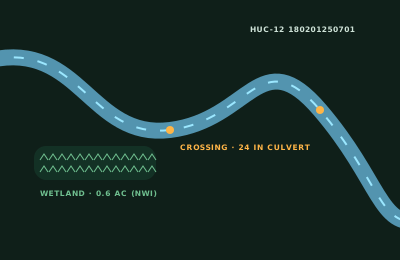
  • Wetlands
  • Protected areas

How it works

Incidental take screening note, from one answer

  1. Enter the site and the species you're worried about.
  2. ePlan maps listed species, critical habitat and land cover around it.
  3. Read the free note; a biologist does the surveys. Need NEPA too? Start an environmental assessment draft.

What you get

Incidental take screening note and 2 more documents

The check is free. The paperwork after it is drafted at the NEPA environmental assessment door.

The first draft

Incidental take screening note (free)

  1. Species and habitat on or near the site
  2. Activities that could cause take
  3. Federal link: Section 7 or Section 10
  4. What a conservation plan must contain
  5. Surveys and biologist work you will need
  6. Permit steps: notice and 30-day comment

Modeled on: 16 U.S.C. 1539(a)(2)(A) conservation plan contents
Next · 2

NEPA environmental assessment (EA)

  1. Purpose and need
  2. Alternatives
  3. Affected environment and effects
Next · 3

Biological assessment outline

  1. Species and habitat
  2. Effects analysis
  3. Conservation measures

From public data

What ePlan fills in, and from where

30 days

is the public comment window on each endangered species permit application, including incidental take, after notice in the Federal Register
Source: 50 CFR 17.22, eCFR

Ready for the paperwork?

Draft a NEPA environmental assessment and FONSI, or an EIS outline, that follows a reference document. Free to read; every unconfirmed fact is marked.

NEPA environmental assessment →

Questions

Habitat Conservation Plan Checklist: what people ask

When do I need an incidental take permit?

When a non-federal activity, such as building on private land, would incidentally take a listed species. You develop a conservation plan that meets the Endangered Species Act, apply for the permit, and carry out the project as the permit specifies.

Source: fws.gov

What must the plan contain?

The impact the take will likely cause; the steps you will take to minimize and mitigate it and the funding for them; the alternatives you considered and why you are not using them; and any other measures the Service requires.

Source: law.cornell.edu

Is there public comment?

Yes. The Service publishes a Federal Register notice for each permit application and takes written comments for 30 days. It may waive that period only in an emergency that threatens an endangered animal's life or health.

Source: ecfr.gov

The rules this door follows