Contractors and developers building near water in Canada

Where is the construction site?

Draft a construction environmental protection plan for a Canadian site: fish habitat, species at risk, erosion, spills and timing. Free to read.

  • Free to read
  • No sign-up until the draft
  • Every fact cites its source
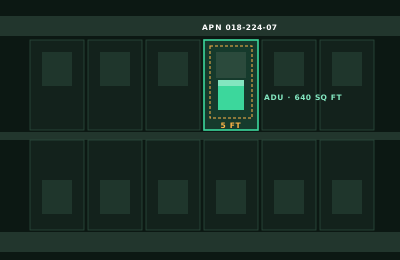
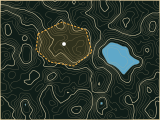
WETLAND · 0.6 AC (NWI) CROSSING · 24 IN CULVERT HUC-12 180201250701

ePlan fills in

  • Streams and lakes
  • Slope
  • Species at risk
  • Critical habitat

How it works

Construction environmental protection plan, from one answer

  1. Enter the site and the work you're planning.One answer starts the project. ePlan names it and looks up the place.
  2. ePlan maps nearby water, slopes and species at risk and sets the controls.3 more questions, each with a "not sure yet" way out.
  3. Read the plan free, then download it to send to the owner or agency.The draft marks what to check (amber), what to pick (blue) and what to fill in (violet).

What you get

Construction environmental protection plan and 1 more document

The first draft is free to read. Each document after it is drafted from the same confirmed facts.

The first draft

Construction environmental protection plan

  1. Project and site description
  2. Environmental setting: water, fish habitat, species at risk
  3. Permits and approvals
  4. Erosion and sediment control
  5. Work timing windows
  6. Spill prevention and response

Modeled on: Fisheries and Oceans Canada Projects Near Water guidance and codes of practice
Next · 2

Erosion and sediment control plan

  1. Controls by stage
  2. Inspection schedule
  3. Repairs

From public data

What ePlan fills in, and from where

$6,000,000

is the maximum fine for a corporation's first indictable offence under the Fisheries Act, such as harming fish habitat
Source: Fisheries Act, s. 40(1)

Questions

Construction environmental protection plan: what people ask

When do I need a Fisheries Act authorization?

When work will cause the harmful alteration, disruption or destruction of fish habitat, which section 35 bans unless authorized. DFO's Projects near water pages explain codes of practice and when to submit a project for review.

Source: dfo-mpo.gc.ca

What are the fines?

On indictment, a first offence can cost an individual $15,000 to $1,000,000 and a corporation $500,000 to $6,000,000. Small-revenue corporations face $75,000 to $4,000,000.

Source: laws-lois.justice.gc.ca

Does the plan need to cover species at risk?

Yes, if any live on or near the site. The Species at Risk Act bans killing, harming, harassing, capturing or taking individuals of listed extirpated, endangered or threatened species.

Source: laws-lois.justice.gc.ca

The rules this door follows