Owners and developers of old income-producing buildings

Where is the historic building?

Draft NPS Form 10-168 Parts 1 and 2 for the 20% federal historic tax credit: significance, then the work feature by feature. Free to read.

  • Free to read
  • No sign-up until the draft
  • Every fact cites its source
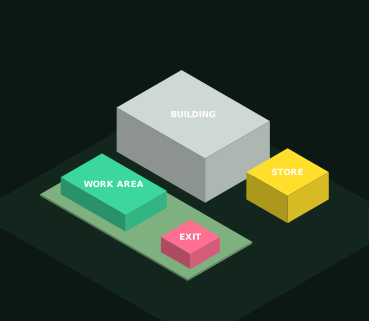
BUILDINGWORK AREASTOREEXIT

ePlan fills in

  • Parcel
  • Year built
  • National Register status
  • Historic district
  • Historic maps

How it works

Historic Preservation Certification Application, Parts 1 and 2, from one answer

  1. Enter the address and list the work you plan.One answer starts the project. ePlan names it and looks up the place.
  2. ePlan checks the building's National Register status and lays out each feature.3 more questions, each with a "not sure yet" way out.
  3. Read Parts 1 and 2 free, then download them to add photos, drawings and signature.The draft marks what to check (amber), what to pick (blue) and what to fill in (violet).

What you get

Historic Preservation Certification Application, Parts 1 and 2 and 2 more documents

The first draft is free to read. Each document after it is drafted from the same confirmed facts.

The first draft

Historic Preservation Certification Application, Parts 1 and 2 (NPS Form 10-168)

  1. Owner, property and project contact
  2. Part 1: description of the building and site
  3. Part 1: statement of significance
  4. Part 1: photos and site map
  5. Part 2: overall project description
  6. Part 2: work by feature: condition, proposed work, photo numbers

Modeled on: NPS Historic Preservation Certification Application instructions (36 CFR 67.4 and 67.6)
Next · 2

Part 3: request for certification of completed work

  1. Completed work summary
  2. After photos keyed to Part 2
  3. Owner signature
Next · 3

State historic tax credit application

  1. State form sections
  2. Qualified expenses
  3. Supporting photos

From public data

What ePlan fills in, and from where

20%

of qualified rehabilitation spending is the federal credit for a certified historic building, spread evenly over five years
Source: 26 U.S.C. 47(a)

Questions

Historic Tax Credit Application: what people ask

Which buildings qualify?

A certified historic structure: a building listed in the National Register, or one in a registered historic district that is certified as significant to the district. It must be depreciable, such as a rental or business property, and substantially rehabilitated.

Source: law.cornell.edu

When should I file Part 2?

Before work starts. The rules strongly encourage owners to submit Part 2 before any rehabilitation, and owners who start without prior approval do so at their own risk.

Source: ecfr.gov

Do I need a consultant?

The rules name no required preparer. Ordinarily the fee simple owner applies; anyone else applying must include the owner's written statement that they know of the application and do not object.

Source: ecfr.gov

The rules this door follows